Costa Rica, a remarkable gem in Central America, is often hailed as one of the top destinations for fly fishing enthusiasts worldwide. Nestled between the Caribbean Sea and the Pacific Ocean, this small yet ecologically diverse country boasts exceptional fishing habitats that support a wide variety of species.
From tranquil mountain streams to bustling coastal waters, Costa Rica offers a vibrant environment for anglers in search of adventure and a deep connection with nature. In this guide, we’ll delve into the unparalleled fishing experiences Costa Rica has to offer, highlighting techniques, notable locations, and essential tips to maximize your fly fishing journey. 🎣
Choosing Costa Rica for fly fishing is not just about the pursuit of fish; it’s an opportunity to immerse yourself in a biodiversity hotspot and embrace an array of unique fishing challenges.

Biodiversity in Costa Rica
The biodiversity of Costa Rica is unrivaled, with approximately 5% of the world’s species found within its borders. The country is home to lush rainforests, vibrant coral reefs, and winding rivers, creating diverse environments for fishing enthusiasts to explore.
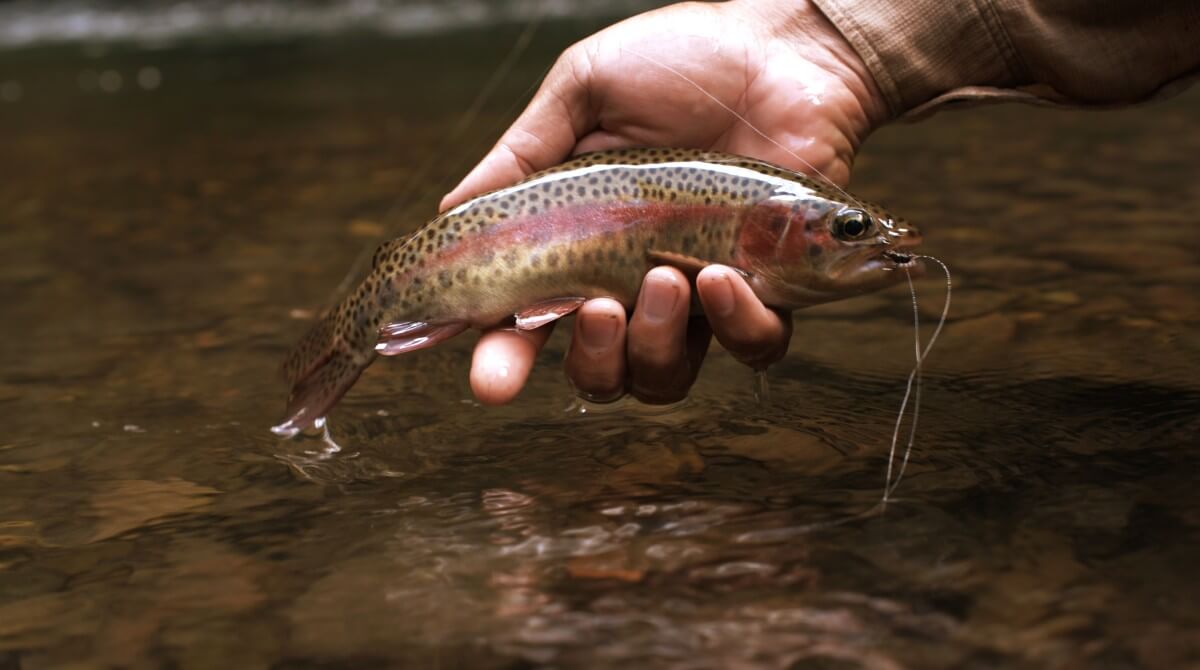
Each ecosystem hosts distinct species, from aggressive freshwater machaca and rainbow trout in mountain streams to stunning migratory tarpon in coastal rivers. Anglers also relish the rich flora and fauna around them, including monkeys, diverse birds, and exotic plants, making every fishing trip a comprehensive nature experience. 🦜
Unique Fishing Opportunities
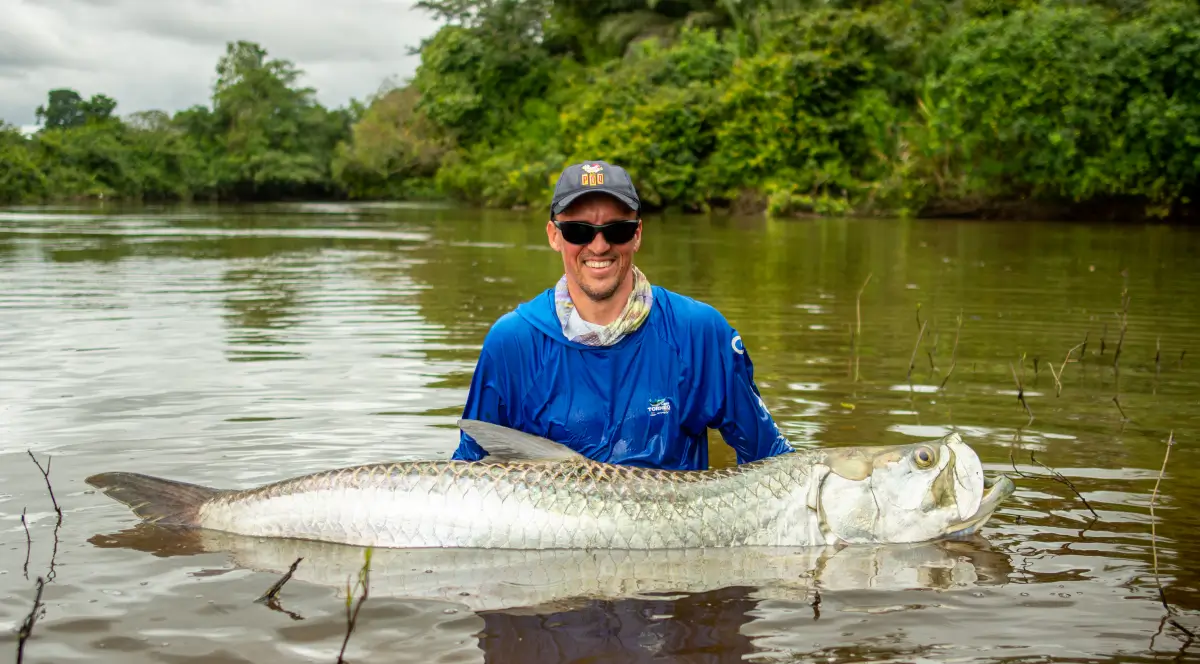
Costa Rica offers unique fishing opportunities that cater to every angler’s desires. The thrill of catching a tarpon against the pristine backdrop of the Caribbean coast contrasts beautifully with the serene pursuit of rainbow trout in highland rivers, inviting peaceful reflection amidst untouched nature.
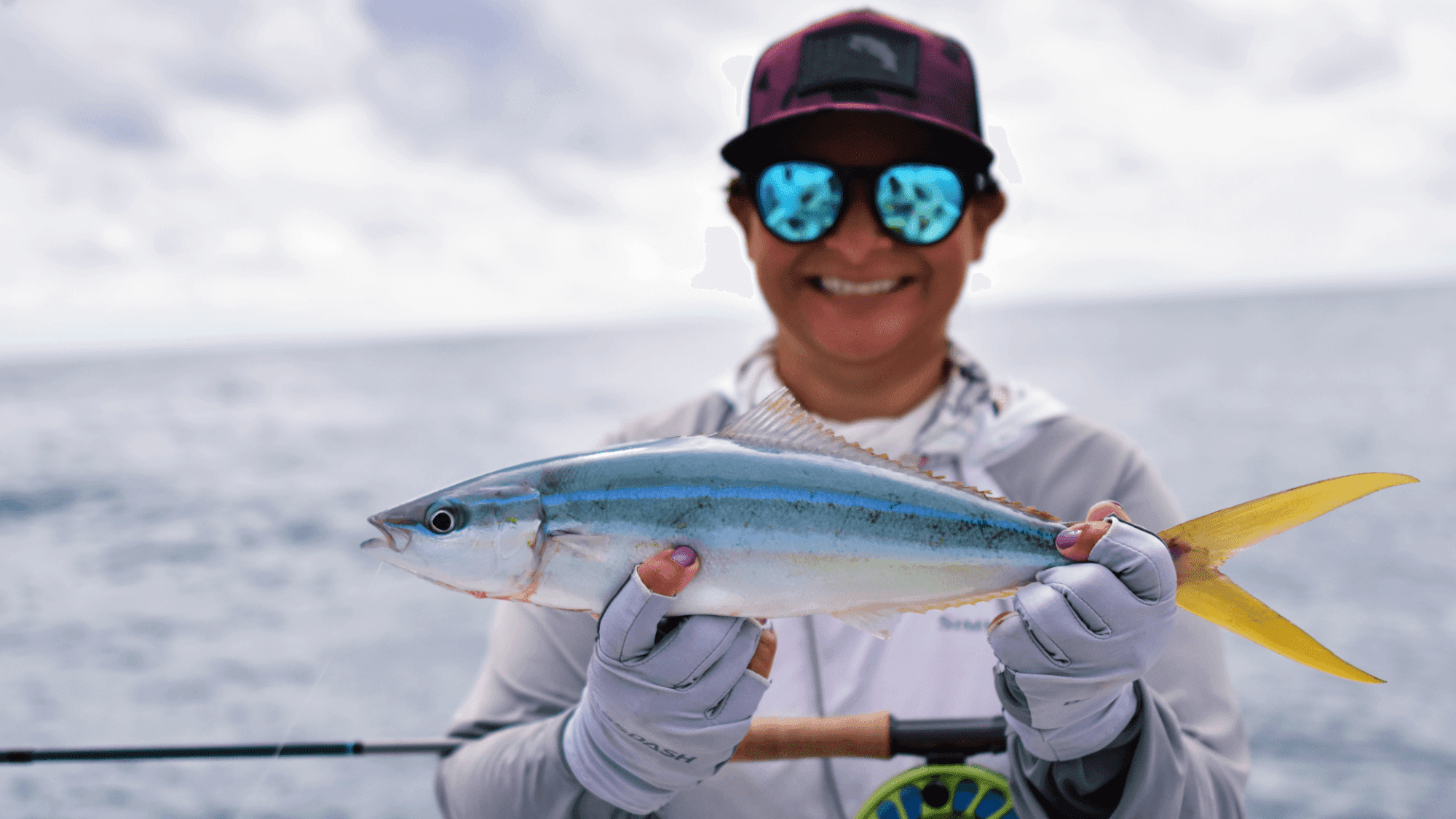
Anglers seeking both saltwater and freshwater challenges can dive into multi-species adventures, targeting roosterfish, dorado, and various bass species—all within a single day’s fishing journey. These opportunities create memorable experiences that are hard to find in other destinations.
Renowned for their warmth and hospitality, the locals—affectionately known as “Ticos”—are eager to share their fishing insights and environmental knowledge. Engaging with local fishing guides not only enhances your experience through their expertise but also offers a glimpse into the rich cultural tapestry of the country. From traditional dishes to music and festivals, the welcoming spirit of Ticos makes your journey more than just a fishing trip; it’s a cultural adventure as well. 🎶
Fishing Locations in Costa Rica
When it comes to fly fishing, location is paramount. Costa Rica presents a vast array of fishing spots, each possessing its own unique character and species.
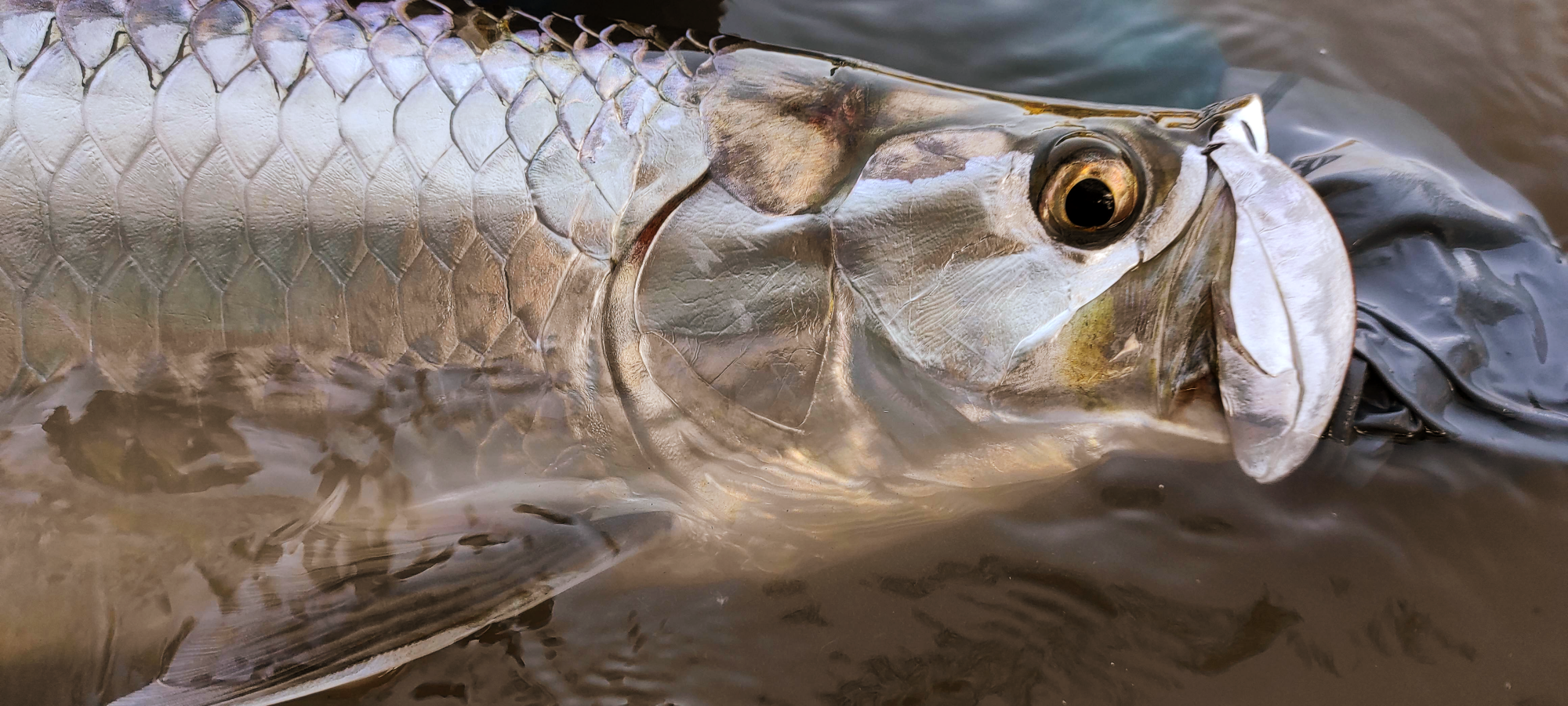
The Caribbean Sea stands out as a premier destination for tarpon fishing, especially in areas like the Colorado River delta. Here, anglers can experience the thrill of hooking one of these impressive fish as they migrate through lush mangroves and estuaries. The best months to fish for tarpon are typically from January to May and again from August to October, aligning with their migration patterns. The formidable strength and acrobatic displays of tarpon make them a prized catch for fly fishermen. 🌊
In Costa Rica’s mountainous regions, particularly around the Talamanca range, the cool clear waters host thriving wild populations of rainbow trout. Streams like those in the Savegre River showcase nature’s untouched beauty, offering an unparalleled fishing experience.
The ideal time for trout fishing is during the dry season, when anglers can enjoy excellent conditions and clearer waters. Fishing for trout in Costa Rica is distinctive, often enhanced by the sounds of the jungle and surrounding wildlife.
The Pacific Coast serves as a playground for anglers targeting roosterfish, one of the most iconic species in the region. Recognizable by their fins resembling a rooster’s comb, these fish are not only visually striking but also provide an exhilarating fight. Other species found here include dorado, marlin, and tuna. The best time for targeting roosterfish usually falls during the dry season, offering optimal conditions for coastal fishing. 🐟
Beyond the well-known fishing locations, Costa Rica boasts hidden gems that provide exceptional experiences away from the crowds. Spots like the Rio Celeste and the remote beaches of the Osa Peninsula house diverse aquatic life and breathtaking scenery, ideal for a more intimate fishing experience. Collaborating with local guides can help uncover these hidden treasures, enhancing your bond with nature and creating unforgettable adventures.
Understanding the Seasons
Understanding the seasons is key to a successful fishing experience in Costa Rica, with two main seasons directly impacting fishing conditions.
- January to April: This is the peak time for fishing along both coasts. Expect clear skies, favorable conditions, and the highest success rates for targeting species like tarpon and roosterfish.
- May to June: The rainy season begins; however, fishing can still be productive, especially for those willing to brave the weather. Tarpon and machaca remain active.
- July to October: These months may see rising water levels but also present outstanding opportunities for targeting migratory tarpon as they move upstream—ideal for avid anglers.
- November: The transition month between the rainy and dry seasons, where species are migrating, and this can be a very productive time for fishing as both freshwater and saltwater fish remain active.
Enhancing Your Fly Fishing Experience
To enhance your fly fishing experience, mastering certain techniques and tips is vital.
The right gear is essential for a successful fly fishing adventure. Essential equipment typically includes:
- Fly rod: Choose a rod suited for the specific species being targeted; lighter rods for trout and heavier ones for saltwater species like tarpon.
- Reels: Ensure your reel has a robust drag system for managing powerful fish.
- Lines and leaders: Use floating lines for surface fishing and sinking lines for deeper waters.
- Flies: Selection should vary based on the target species and local insect activity.
Mastering various casting techniques, such as the overhead cast and roll cast, is crucial for effective fly fishing. Proper casting positions your flies where fish are likely to bite. Additionally, remain mindful of wind conditions, as they can influence your casting accuracy.
Researching local fly patterns is fundamental. Effective flies include baitfish imitations for tarpon and vibrant patterns for roosterfish. For trout, opt for smaller nymphs and dry flies that mimic terrestrial insects. 🦋
Embracing catch and release practices is essential for conserving fish populations. Handle fish with care—wetting your hands before touching them—and release them promptly to minimize stress.
Hiring a Guide
Hiring a guide can significantly enhance your fishing experience.
When seeking the right guide, look for individuals with local knowledge and positive reviews. A good guide should be acquainted with the best fishing spots and possess effective teaching methods suitable for anglers of all skill levels.
Guided tours often include equipment provision, transportation to fishing locations, and expert instruction. Many guides also share insights into local ecosystems and wildlife, enriching your fishing experience beyond the mere catch.
Several guiding services offer customizable itineraries to cater to your interests and skill level, whether you’re looking for a peaceful day casting for trout or an exhilarating deep-sea adventure targeting marlin.
Safety While Fishing in Costa Rica
Prioritizing safety while fishing in Costa Rica is crucial for enjoying a fulfilling trip.
Ensure to check local regulations regarding fishing licenses. While many areas don’t require a permit, specific national parks or protected zones may enforce restrictions.
When fishing in jungles or near water, remain vigilant for local wildlife, such as crocodiles and snakes. Always respect their space and safeguard your belongings.
Regarding health, consider obtaining travel insurance and ensure your vaccinations are up to date before traveling. Staying hydrated and protected from the sun with appropriate clothing and sunscreen is equally important. ☀️
Frequently Asked Questions about Fly Fishing in Costa Rica
Do I need a fishing license?
Yes, a fishing license is required for recreational fishing in Costa Rica. It can be obtained through the Costa Rican Fisheries and Aquaculture Institute. Note that certain areas may have stricter regulations, requiring additional permits.
Can beginners enjoy fly fishing here?
Absolutely! Costa Rica’s guides cater to all skill levels. Novices can gain valuable lessons while soaking in the beautiful surroundings.
What are the costs involved?
Costs vary based on the type of trip, duration, and gear rentals. Extensive planning and budgeting—including permits and other expenses—ensures a smooth trip.
Costa Rica truly stands out as a premier destination for fly fishing enthusiasts around the globe. Its unique biodiversity, warm culture, and endless fishing opportunities make it an adventure worth pursuing. Whether you’re seeking challenging catches or serene nature experiences, Costa Rica promises an unforgettable fly fishing journey. Prepare your gear, set your sights on Costa Rica’s incredible waters, and get ready to embrace the thrill of the catch in one of the planet’s most beautiful destinations. 🌍