
Flamingo is one of those places that surprises you because it mixes easy access, great fishing, and beaches that look like postcards. Many anglers choose it because it’s close to Liberia airport, but what really makes it special is that you can have an excellent fishing day without long offshore runs. Many times, we’ve had amazing sessions inside the bays, finding strong groups of roosterfish and bluefin trevally that hit hard from the first cast.
Roosterfish are the main attraction here. Flamingo has something many destinations wish they had: consistency. Whether you’re looking for roosters, tuna, sailfish, or marlin, there’s always activity. Local captains know the structure, the protected bays, and the current changes where predators chase sardines and needlefish. And even when the offshore water is a bit rough, the bays allow you to keep fishing without losing your day, something every angler appreciates.
What I like most about Flamingo is the balance: quality fishing, relaxed atmosphere, comfortable hotels, good food, peaceful beaches… and the chance to end the day watching the sunset after a solid rooster or a couple of good trevallies. Tactically, I use sinking or sinking-tip lines when targeting roosters near the rocks. If you’re going for tuna, follow the birds, when the bite is hot, you can hook several in just a few hours.
Another advantage is the variety. One day you can focus on inshore roosters; the next, you can head offshore for sails and marlin. And even if you’re not a fan of offshore trips, Flamingo is still perfect: few places in Costa Rica offer so many good-sized fish so close to the coast.
Overall, Flamingo is an accessible, balanced, and very productive destination for all anglers, beginners to advanced.
Sámara is famous for beautiful beaches and a relaxed vibe, but for anglers it’s known for something even better: easy access to some of the best offshore waters in Costa Rica, including FADs located surprisingly close to shore. For many people, this is where they finally land the marlin they’ve dreamed about for years.
One of the things that impresses me most about Sámara is how fast you reach deep water. While other destinations require long runs, here the FADs are only one to two hours away. That lets you target blue, black, and striped marlin, as well as sailfish, in one of the most productive offshore zones in the country without spending the whole day traveling. I’ve seen anglers catch the fish they’d been chasing for years, especially when the ocean is calm and the bait is stacked around floating structure or bait balls.
But it’s not only heavy offshore fishing. Sámara’s coastline also produces solid roosterfish, snapper, and tuna, giving you a very reliable plan B if the FADs are quiet. When I fish here, I like switching between coastal structure and offshore depending on water clarity, wind, and current. Local captains are used to anglers of all levels and know how to take advantage of every activity window.
Tactically, if you’re targeting marlin, bring heavy gear and be ready for long fights. If you want roosters or mid-sized species, a 10–11wt with sinking lines works great. And something important: Sámara is not just a fishing destination, it’s perfect for family or couple trips because of the beaches, restaurants, and relaxed atmosphere.
What makes Sámara stand out is its balance: easy access, diverse fishing, and quick entry to deep-water zones. If your goal is a big game fish, especially marlin, this place should be near the top of your list.
La Cruz is one of those destinations many anglers overlook… and honestly, that benefits the ones who do know what’s here. It’s incredibly productive and very lightly pressured. Fewer boats mean more chances for big and medium-sized fish in natural conditions. For me, La Cruz is without exaggeration the roosterfish capital of Costa Rica.
The first thing that strikes you is the beauty of the place: wide beaches, clean water, steady wind, and landscapes that look like magazine covers. But beneath that calm surface is a powerful food chain. In a single day, you can find bonefish, snook, snapper, roosterfish, tuna, trevallies, and even permit if you’re lucky. That level of diversity is rare, even in Costa Rica.
One of my best memories here was a morning when roosters were chasing sardines so close to the beach that you could literally see them exploding on the surface. In other places you’d have to move around a lot to find that here you just read the tide and current and suddenly you’re in the middle of the action.
Tactically, La Cruz lets you play with different strategies in the same day. You can start with sinking lines, poppers, or big streamers for roosters, then move to rocky shadows where snook patrol. If you’re lucky, you can switch to tuna pushing bait near shore. It’s a dream for any angler who loves variety.
Something I always tell people: because La Cruz is not as famous as Tamarindo or Flamingo, the experience is more authentic. Don’t expect luxury, expect real, consistent fishing without crowds. If your priority is hooking a solid rooster or enjoying a mix of species in a natural setting, you’ll love it.
Fly, spinning, jigging, La Cruz has something for everyone. The big roosters are here. And trust me: when one of those giants runs toward the rocks, your heart rate jumps instantly.
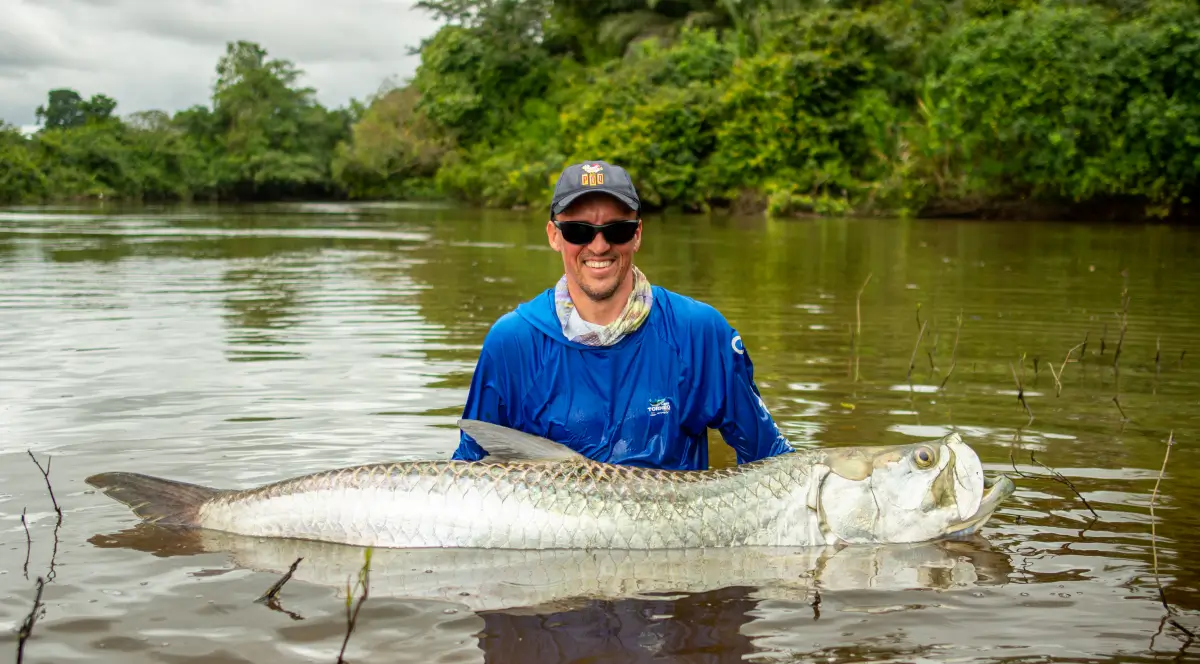
Jungle tarpon fishing is hard to describe, it’s nothing like the ocean, and nothing like most rivers in the world. In Caño Negro, tarpon travel more than 300 km from the Caribbean to feed and spawn, entering through the Río Frío into narrow channels and lagoons surrounded by dense jungle. The first time you fish here, you understand why this place is unique on the planet.
In freshwater and tight rivers, tarpon behave differently: explosive but more technical. More than once I’ve had to fight a silver king jumping toward the trees, trying to avoid branches or roots. Here every move matters; there’s no room for mistakes. One wrong rod angle and the fish uses the current to beat you.
The atmosphere is wild: howler monkeys in the trees, huge birds flying overhead, even jaguars on the banks if you’re lucky. Sometimes the water is so still that the first swirl of a tarpon takes your breath away. It’s intimate, pure, quiet—no big motors, no crowds. Just you, the fish, and the jungle.
The season runs from August to February; March to July is closed to protect native species. That means when it’s open, activity is strong and tarpon arrive in impressive numbers.
If you’re fly fishing, bring strong gear. Don’t underestimate river tarpon although smaller than the giants of Colorado or the southern Caribbean, the fight is intense because they have no room to run. If you’re using spinning, use heavy line; one rub against a branch and it’s over.
This destination is perfect for anglers looking for something different, something that truly feels like an adventure. Here you don’t just catch tarpon; you survive the fight, celebrate the release, and leave with memories you won’t find in the ocean.
Guanacaste is, for many anglers in Costa Rica, the place for machaca. When you see it in person, you understand why. The river here is one of the clearest in the country: transparent water, lively current, and overhanging vegetation full of flowers and fruit that naturally fall into the river. That combination is perfect for machaca, a fish that reacts to sound and movement.
When I fish in Guanacaste, the first thing you notice is how machaca patrol under the branches waiting for a fruit to drop. And when it drops… chaos. I’ve seen machaca hit poppers with shocking aggression. That’s why it’s a great destination for anglers who love visual strikes: you see the attack, hear the splash, and feel the line tighten immediately.
Tactically, I use loud poppers. Nothing subtle. Round fruit-style flies like “green golf ball” patterns also work great. The key is creating the right sound on the surface. Machaca are opportunistic, strong, and really fun on 6–8wt rods.
And something important: machaca are very abundant here, more than in many other areas. If you want fast action, lots of bites, and a beautiful river, Guanacaste never fails.
This destination is Guanacaste “close cousin,” but with its own personality. The environment here is more humid, more jungle-like, and the machaca tend to be slightly bigger. It’s one of the most productive rivers in Costa Rica and, best of all, if you’re in San José or San Carlos, it’s much closer.
Compared to Guancaste, this destination has more shade, lower branches, and a different flow, which requires more accurate casting. What I like most is how machaca attack even harder when the river is carrying leaves, flowers, or seeds—it becomes a natural buffet.
The same techniques work: loud poppers and fast presentations. If you’re fly fishing, a 6–7wt rod works perfectly. And because it’s close to the capital, you can fish in the morning and be back home in the afternoon.
If you like lively rivers, bird sounds, fresh current, and plenty of action, This is a great and accessible option.
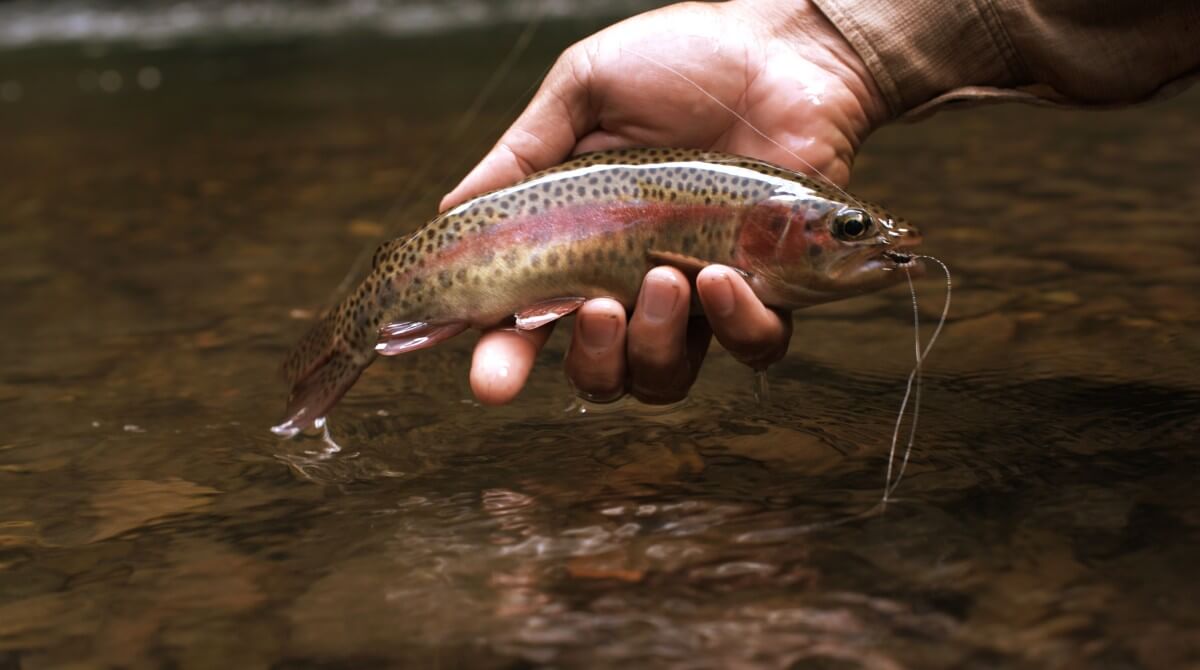
Trout fishing in Costa Rica surprises many people. But yes, in the cloud forest near Los Quetzales National Park, you’ll find cold, clear rivers with healthy rainbow trout populations. This area has a unique microclimate: constant mist, thick vegetation, and the feeling of being in a completely different world from the Pacific heat.
What I love most is how hungry these trout are. I always say: “If you don’t catch a trout in the first hour here, you’re doing something wrong.” And it’s true. They strike aggressively, especially in fast currents or deep pools where food collects.
Fishing in the cloud forest is both relaxing and technical. You walk through moss-covered trees, hear unusual birds, and might even see a quetzal. The landscape is unlike anywhere else in the country. It’s perfect for anglers wanting a cool, peaceful day with lots of light action. Also great for beginners or families
Barra del Colorado is, without question, one of the most iconic tarpon destinations in the world. Tarpon of 80, 120, 150, and even 200 pounds have been caught here. It’s a tough, wild, legendary fishery. Many anglers come here specifically to test themselves against a trophy tarpon—and once they do, they understand why this place is so famous.
One of the most important things here is the ocean. You don’t want to fish when the waves are big, it’s dangerous and small boats take a beating. But when the sea calms… it becomes a dream. On a bad day you might get two hookups; on a good day, twenty.
Fighting tarpon here is physical, intense, and long. It’s the kind of battle that leaves your arms shaking. And something special: this was the birthplace of the first fishing lodges in Costa Rica and Central America, a legacy you still feel today.
This destination demands respect, but it rewards you like very few places on earth.
Manzanillo, in the southern Caribbean, is completely different from Barra del Colorado. Here you don’t come for giant trophies, you come for baby and medium tarpon that live in quiet lagoons, mangroves, and wildlife-rich estuaries. Gandoca Lagoon is especially famous as one of the few places where baby tarpon grow naturally.
The fishing here is more technical than physical. Baby tarpon jump incredibly fast and you need to react immediately. I love it because it’s visual fishing: you see the movement, the shadows, the strikes. It’s perfect for fly fishing with 8–9wt rods.
The Caribbean atmosphere adds something special: intense colors, dense jungle, calm water, and that relaxed Caribbean rhythm. If you want a lighter, more intimate tarpon experience with lots of action, Manzanillo is perfect.
Marina Pez Vela, in Quepos, is one of the most recognized sportfishing hubs in Costa Rica. Here you can target marlin, tuna, sailfish, roosterfish, snook—almost everything the Central Pacific offers. It hosts tournaments, has excellent infrastructure, and attracts very experienced captains.
What I love most about fishing here is the offshore consistency. It’s one of the best places in the country for marlin and sailfish in season, and the marina makes everything easy: logistics, large boats, and professional charters.
Plus, Quepos offers restaurants, comfortable lodging, tours, and nightlife. It’s ideal for anglers who want serious fishing combined with full comfort.
Pack your bags, leave the rods. We’ve got the pro gear ready for your Costa Rica adventure!
Home Blog Costa Rica Fly Fishing Challenge - Tuna, Rainbow...
Home Blog Top 10 Fishing Spots in Costa Rica 1....
Home Blog After 8 Years: Landing the Jungle "Silver King"...
© Copyright – Fly Fish in Costa Rica